1. A Virtuous and Local Crop
Hemp grows without fertilizers or irrigation.
It improves soil quality and captures more CO₂ than it emits.
In France, cultivation extends from Brittany to Champagne, offering a 100% local and traceable resource fully aligned with Susty’s circular vision
Did you know?
France is Europe’s leading producer of industrial hemp, a key advantage for relocalizing textile production.
2. Outstanding Technical Qualities for Textiles
With its hollow, breathable structure, hemp naturally regulates humidity and temperature.
Highly resistant to wear and light, it guarantees dimensional stability and long-lasting fabrics.
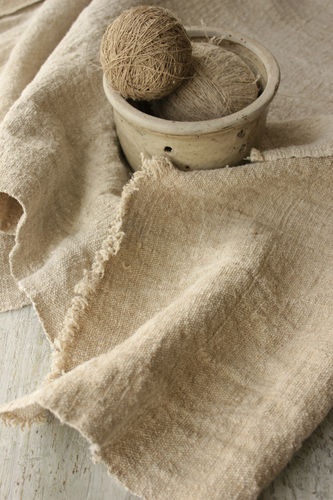
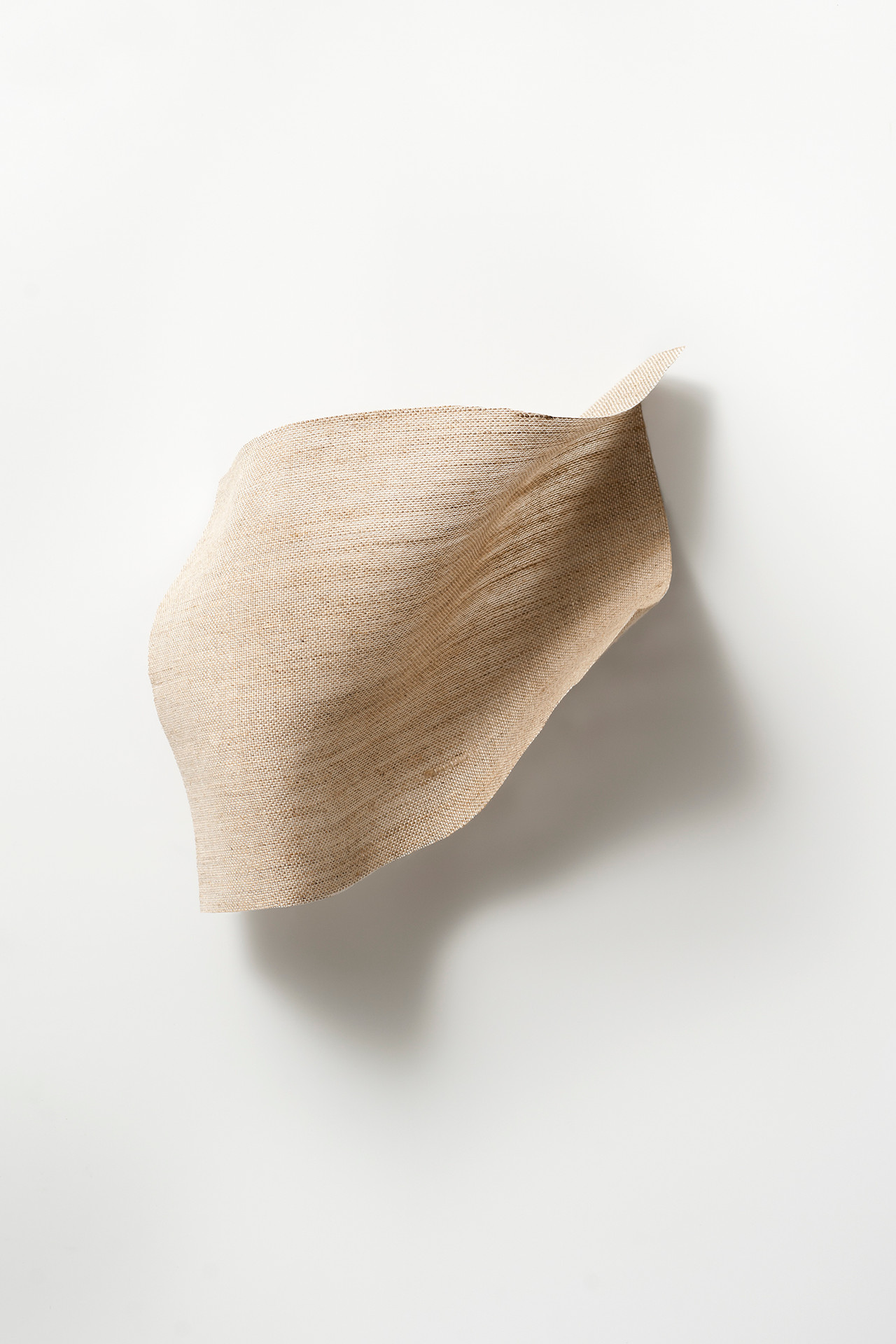
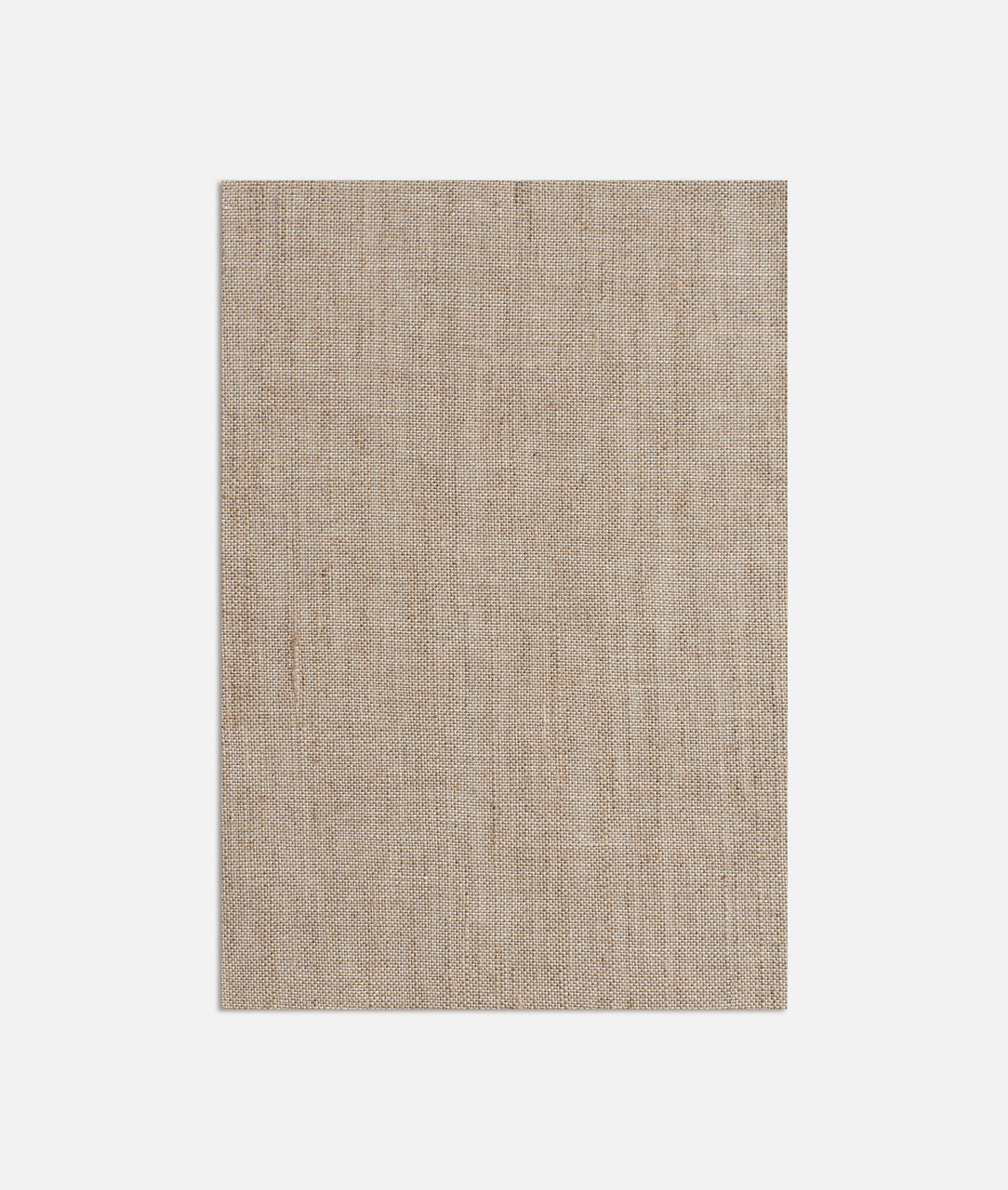
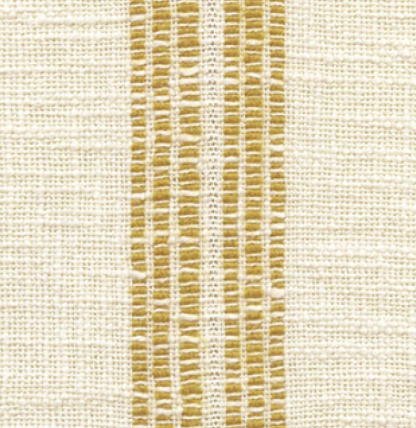
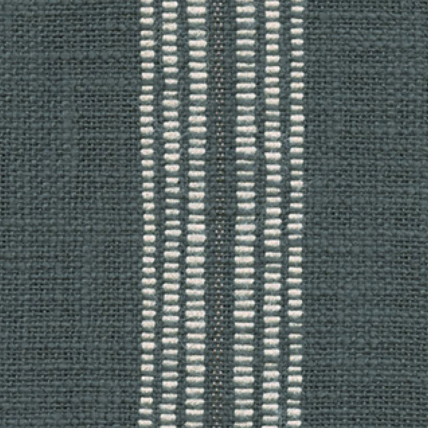
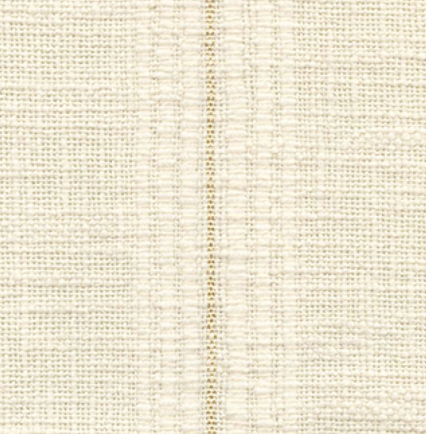
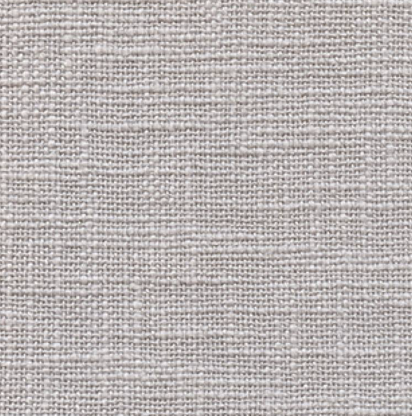
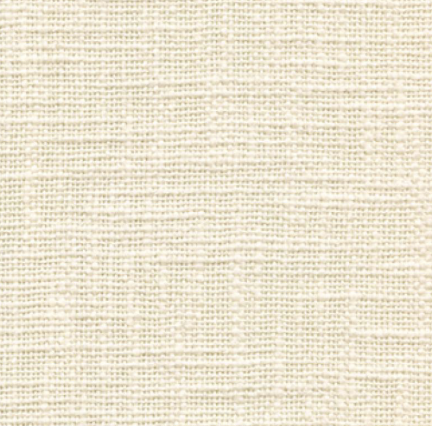
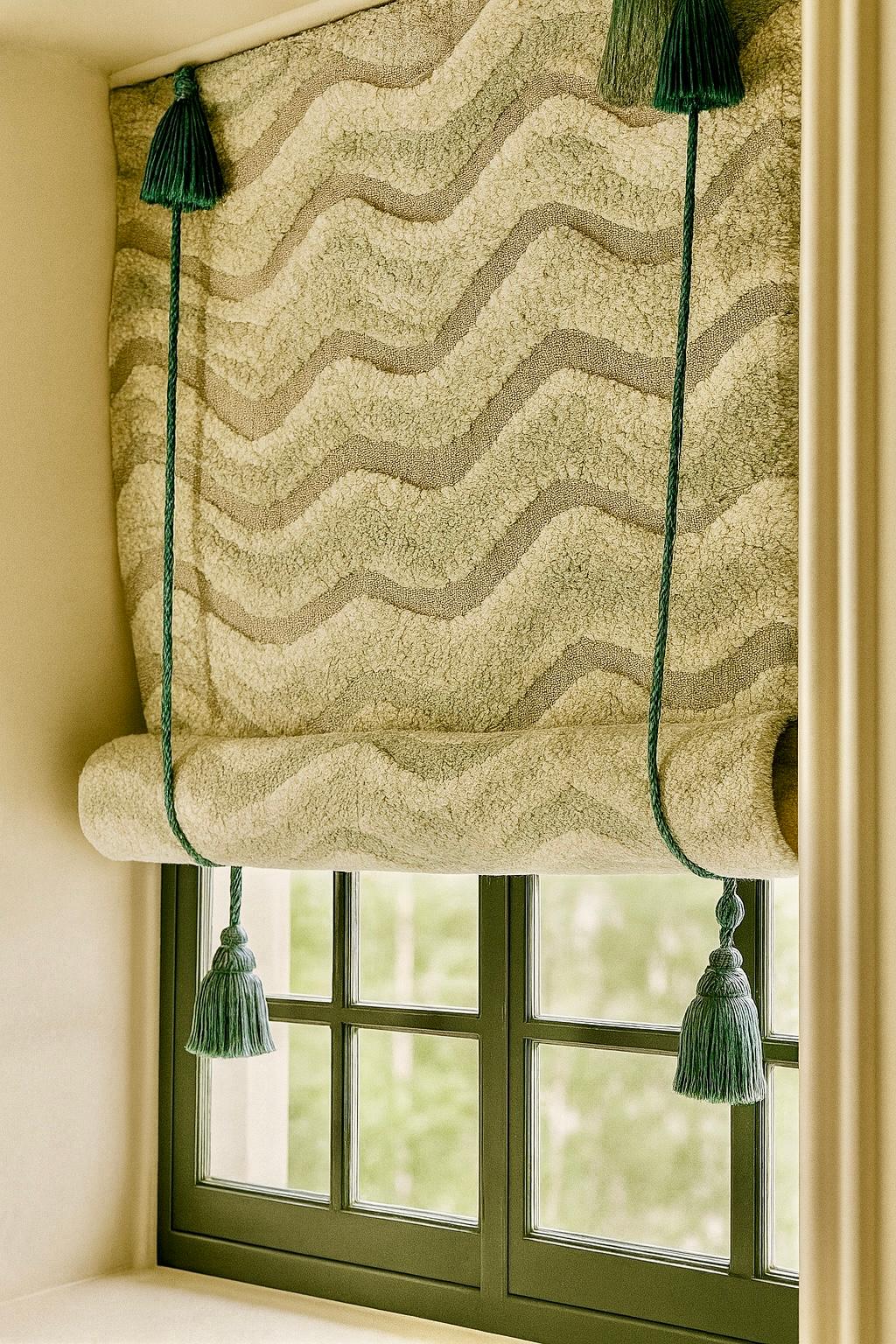
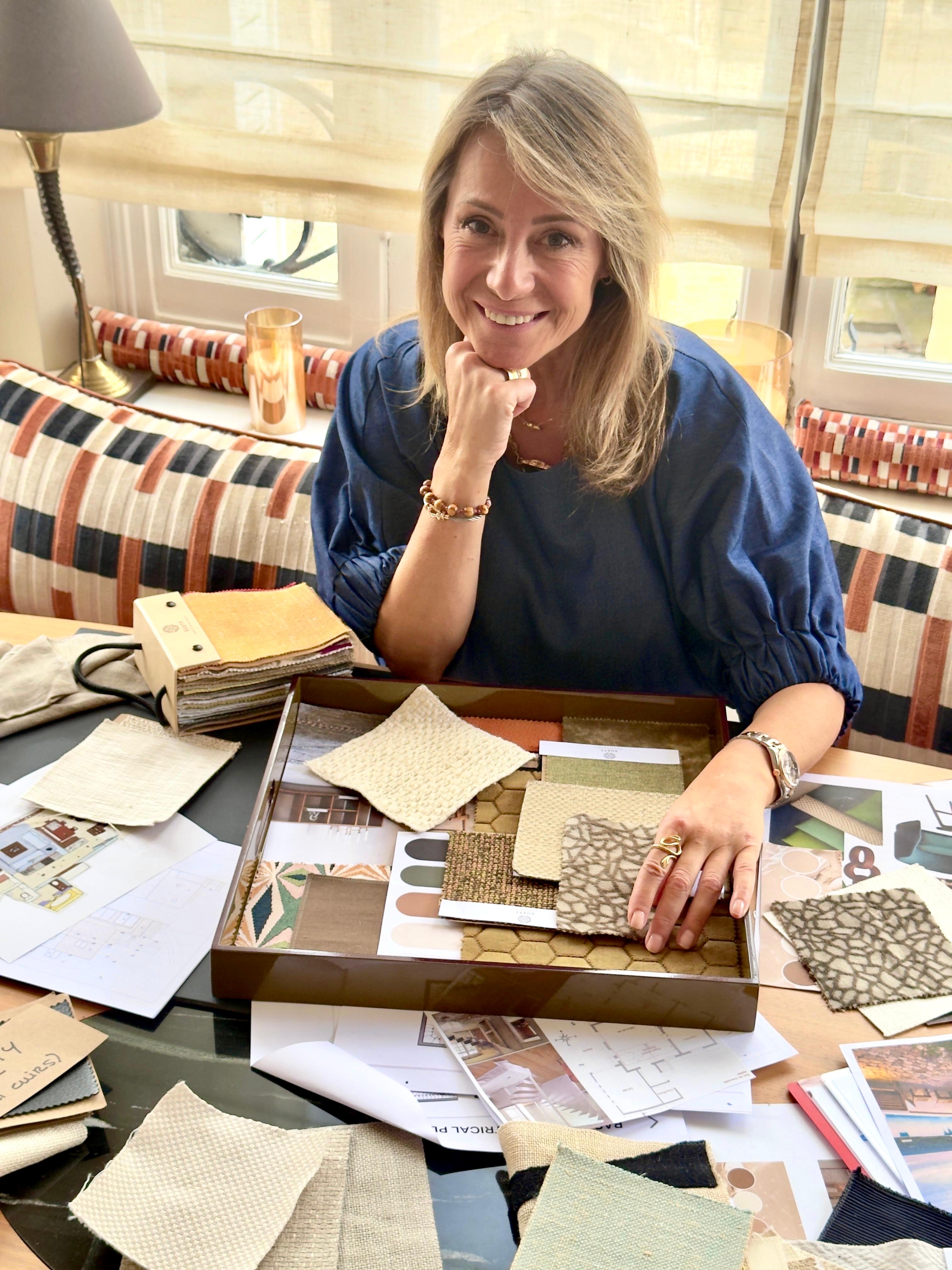
Its slightly irregular texture gives an authentic, tactile quality appreciated by interior designers.
Used alone or blended with linen, hemp creates refined, stable, and timeless fabrics perfect for curtains, cushions, upholstery, and headboards.
3. Composition Labels and Technical Mentions
When a fabric contains hemp, the mandatory European labeling directive (1007/2011) applies:
You’ll often find these mentions on technical sheets:
“Hemp”
“Cannabis sativa L.” (the botanical name sometimes used in documentation)
Abbreviations such as HE, HF, or “Hemp Blend”
Do not confuse hemp with jute or linen, which are often mistakenly associated.
4. An Ethical and Sustainable Fiber
Zero waste: every part of the plant is used (fiber, seeds, shives).
Biodegradable and recyclable, hemp fits naturally into the circular economy.
Less energy-intensive than cotton or synthetic fibers.
Supports local, independent industries, perfectly in line with Susty’s mission to weave differently.
5. Hemp in Interior Design: Natural Elegance and Timeless Appeal
Hemp’s natural, mineral tones beige, greige, sand, stone, sage enhance both modern and heritage interiors.
Its weaves, raw or refined, convey a sense of warmth and authenticity.
Renowned design houses such as Dedar, Élitis, and Nobilis have reintroduced hemp into their sustainable collections, while SUSTY extends their life by revalorizing dormant stocks.
A Fiber of the Future, Already Here
Hemp embodies the beauty of authenticity — durable, simple, and meaningful.
At SUSTY, this natural fiber regains its place in conscious design, where every meter of fabric tells a story of earth, craftsmanship, and transmission.
.jpeg)

 (1).jpg)
 (1).jpg)