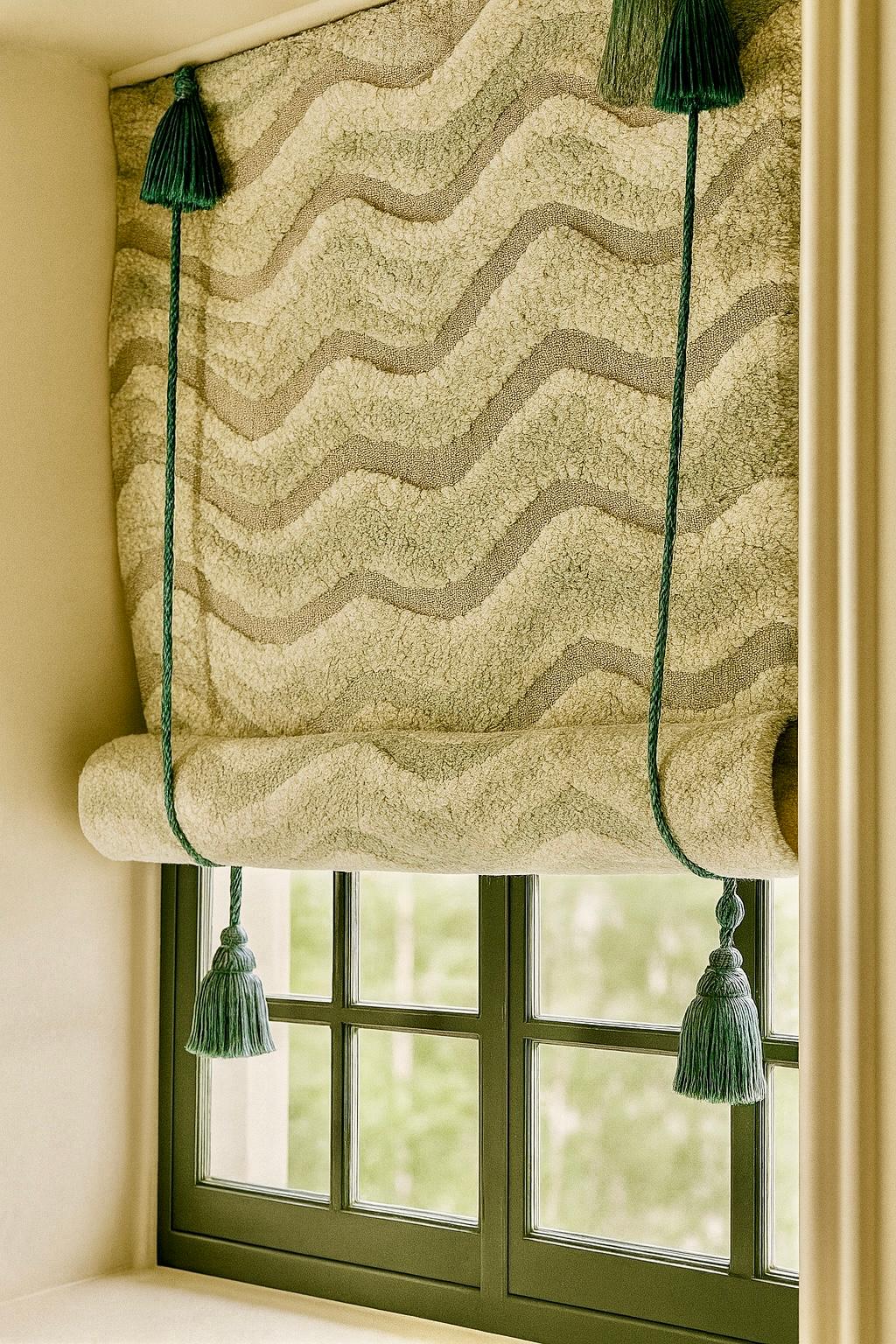
A Technical Material for Textile Design
Beyond its origin, recycled fiber also meets performance and durability requirements.
It is widely used in upholstery and technical textiles for its resistance and versatility.
In contemporary collections, it enables the development of fabrics suited to various uses without compromising aesthetic quality.
It becomes a true design tool, balancing function and visual appeal.
Different recycling processes are used :
- Mechanical recycling: fibers are shredded and respun into new yarns
- Chemical recycling: fibers are broken down and regenerated into a more uniform structure
- rPET recycling: plastic bottles transformed into textile fibers
- Pre-consumer recycling: reuse of production waste
- Post-consumer recycling: recovery of used textiles
An Evolving Textile Approach
Recycled fiber is part of a continuous innovation dynamic, where manufacturing processes evolve alongside industry needs.
New sorting and transformation methods help improve fiber quality and expand their range of applications.
This progress makes recycled textiles more precise, more stable, and better suited to demanding uses.
It contributes to a broader transformation of the textile industry, where technical research and environmental challenges move forward together.



 (1).jpg)

 (1).jpg)